 Start A Project


Build to learn. Break until it works.
Services / Prototyping
A prototype is not a polished product with rough edges. It is a specific question answered in physical form. What question are we answering? Can this mechanism achieve the required force at the required travel? Does this enclosure survive a 1.5m drop onto concrete? Does the thermal management keep the SoC below 85°C under sustained load? Each prototype is built to answer that question — and to expose the next one.
We do not prototype for appearances. We prototype to learn what we do not yet know about the product. A failed prototype is not a setback — it is the cheapest way to find out where the design breaks before a factory tool is cut.
You have a design that needs to be validated in physical form before tooling investment. You need a working prototype for a seed or Series A fundraise. You are preparing for regulatory testing (FCC, CE, BIS) and need hardware that represents the final product. You have a product in production that needs a cost-down revision and want to validate before committing to new tooling.
Prototyping is the fastest way to compress learning. Every week spent arguing about a spec in a document is a week that could have been spent building something that proves or disproves the argument.
DFM (design for manufacturability) is not a checklist run at the end of a project. It is a constraint applied from the first sketch. Wall thickness, draft angles, parting lines, assembly sequence, screw access — these decisions made early cost nothing. The same decisions made after tooling is cut cost tens of thousands of dollars and 8–12 weeks.
We do DFM review in-house before any file goes to a factory. We have enough tooling and moulding experience to know where the problems hide — and enough humility to know when to call the manufacturer before we are certain.
Concept to functional prototype: 6–14 weeks depending on complexity. Simple enclosures with off-the-shelf electronics can be faster. Products with custom PCBs, complex mechanisms, or novel materials take longer. We scope timeline as part of the project kickoff.
For a typical consumer electronics product: two to three mechanical iterations and one to two PCB spins before DVT. Products with complex mechanisms, new materials, or tight tolerances may need more. We scope for the realistic number, not the optimistic one.
Yes, for proof-of-concept builds. We can start with a rough block diagram and a set of technical assumptions to test. We do not need a finished design to begin — we need a clear question to answer.
Yes. We have a vetted network of tooling partners in India and China. We can manage the tooling relationship — RFQ, tool review, sample approval, and production handoff — or hand off the DFM-ready package to your own supplier.
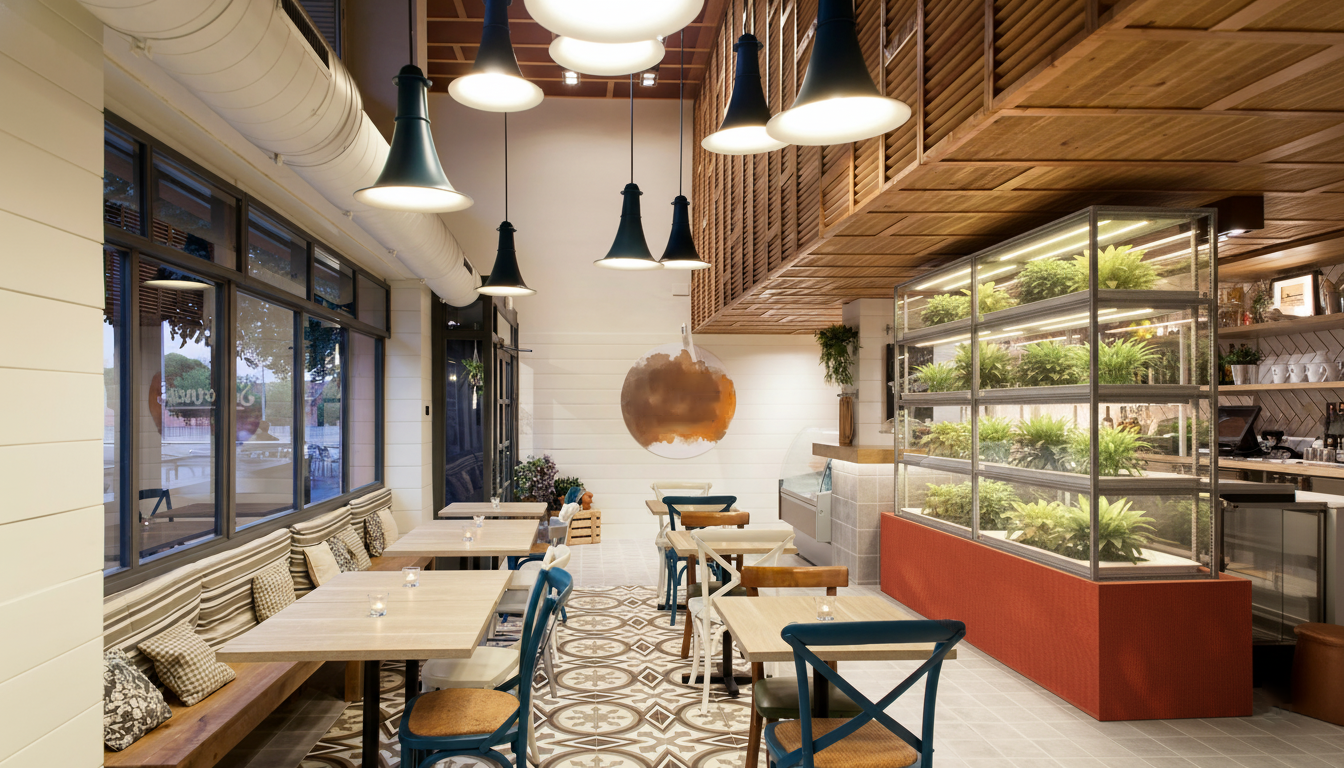
Fully automated indoor hydroponic farm — industrial design, embedded firmware, sensor orchestration, local-first dashboard. Zero cloud dependency.
View case study →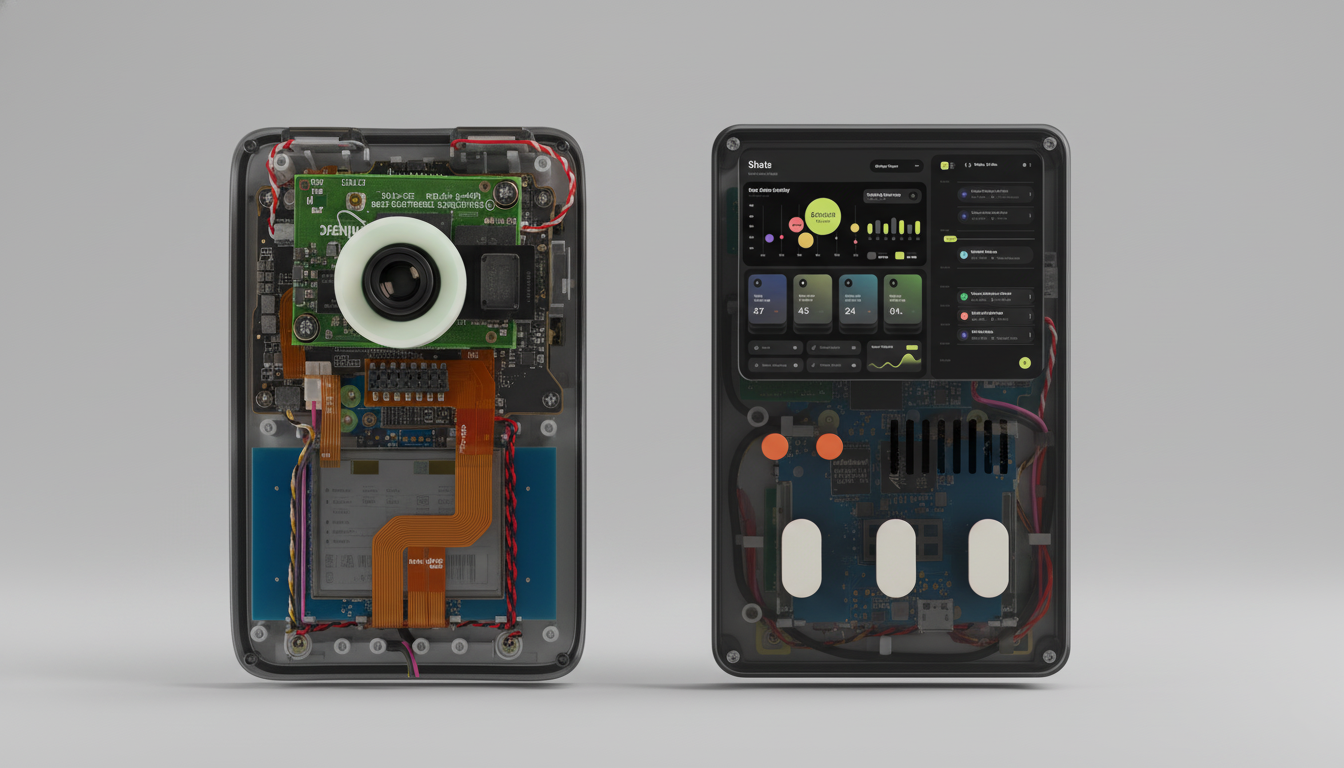
Ruggedized hardware device for industrial assembly lines. Real-time component traceability through embedded scanning and edge processing.
View case study →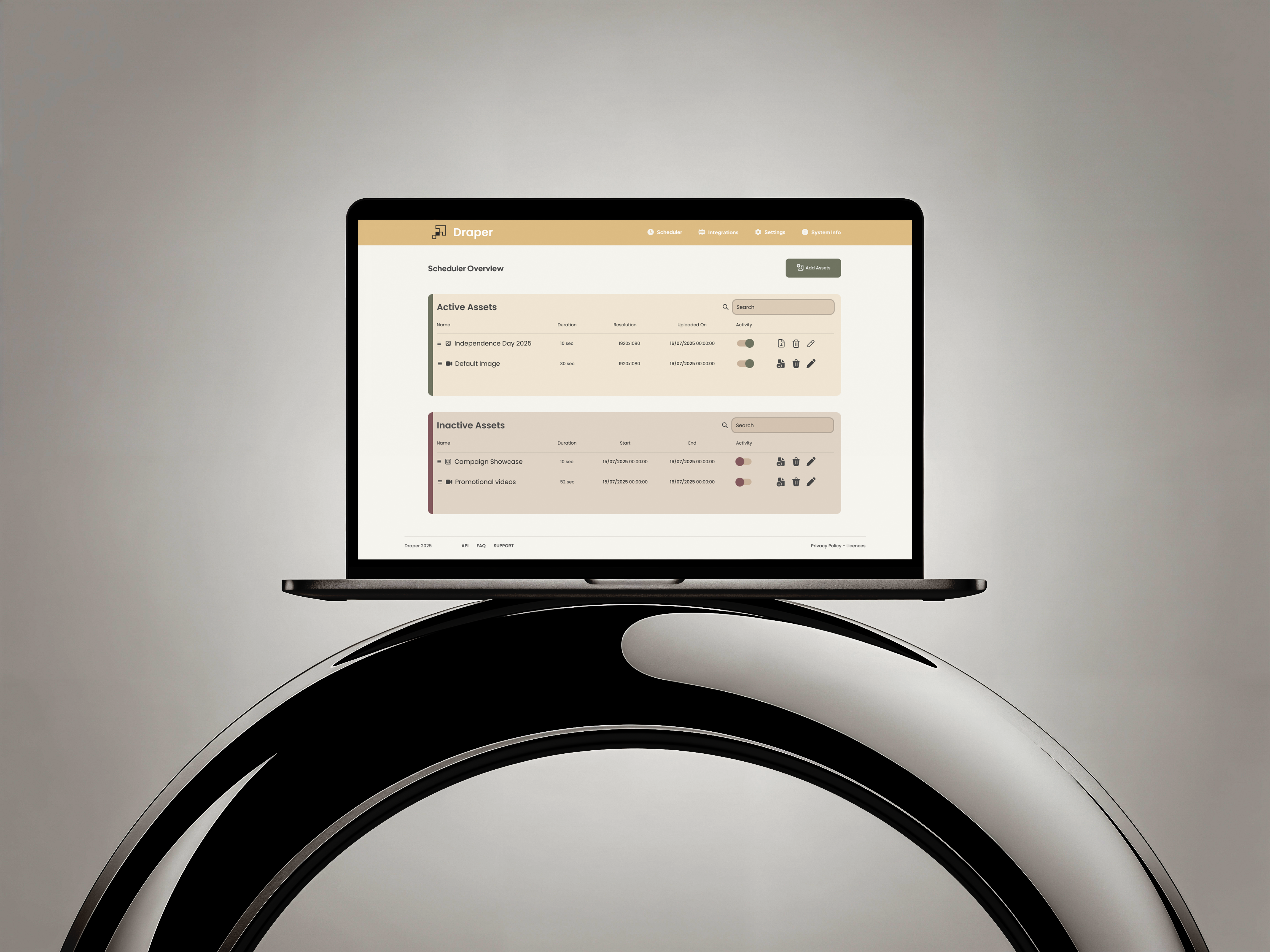
The Draper Signage project covers our software development approach — a platform built for simplicity first, with a clean separation between content scheduling and display management.
View case study →
Consumer electronics architects. End-to-end.